On Monday morning, British Prime Minister Keir Starmer stood at a Downing Street podium and made a promise: he was going to give children their childhood back.
By evening, YouTube had called the announcement misguided. Meta said it would isolate teenagers. Snapchat warned it would make young people less safe. And researchers at two of the world's top universities were quietly pointing out that the evidence for what Starmer had just done was, at best, mixed.
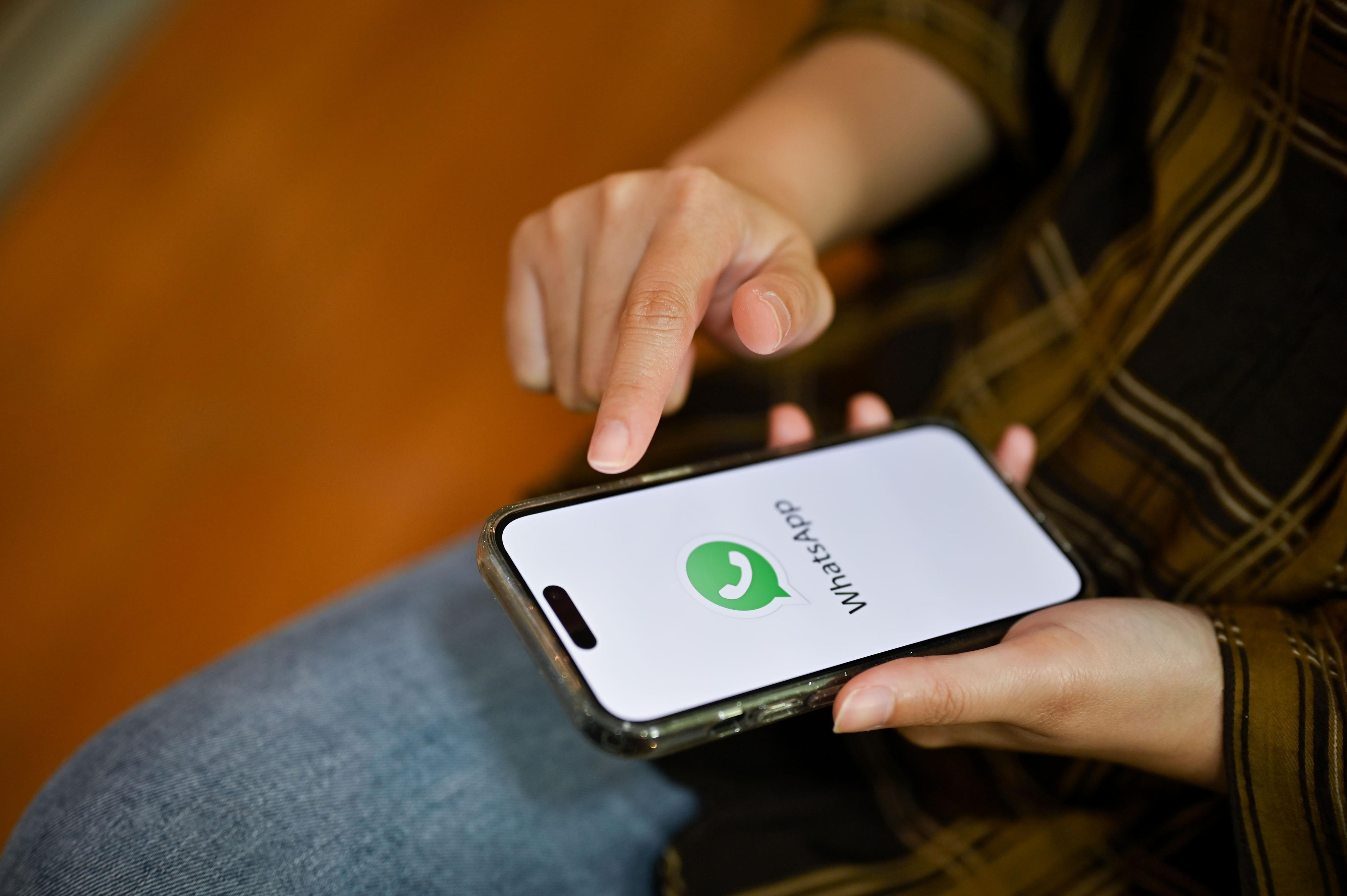
The UK has announced a sweeping ban on social media access for under-16s — covering TikTok, Instagram, Facebook, YouTube, Snapchat and X — expected to come into force in spring 2027. Messaging services like WhatsApp and Signal are excluded. The UK is among a growing number of countries taking this step, following Australia and Malaysia which introduced similar restrictions earlier this year. The ban goes further than most by also restricting AI chatbot features for minors and barring under-16s from live-streaming and contact with strangers on any platform, including gaming services.
Polls show nine out of ten British parents support the move. Young people, asked the same question on television, called it patronising. Both reactions are telling.
WHAT THE SCIENCE ACTUALLY SAYS
The government's case rests on a familiar argument: social media is harming children's mental health, so children should be removed from social media. It sounds logical. The science is considerably messier.
Prof Amy Orben of Cambridge's MRC Cognition and Brain Sciences Unit, recently appointed to a government advisory panel on children's online wellbeing, says the ban will not deliver what it promises. Her team's research shows we should not expect meaningful improvements in mental health or wellbeing in the short term, and that the impact on young people's behaviour is likely to be limited.
We know this in part because the experiment has already been run. Australia introduced its ban six months ago. The early evidence? Roughly 60 per cent of children found workarounds and were online anyway — and those who remained, particularly the most popular and socially influential teenagers, stayed active on the platforms. As Prof Sander van der Linden, Professor of Social Psychology at Cambridge, puts it: the social norms aren't changing, and these bans are not having the intended psychological effects.
Dr Holly Bear, a Senior Postdoctoral Researcher at Oxford's Department of Psychiatry, flags an even more fundamental problem with the evidence base. Research linking social media to harm in young people is largely correlational — it shows association, not causation. The effects researchers do observe depend far more on what young people see and do online than on whether they are online at all. In other words, access is not the variable that matters most. Content is.
THE DESIGN PROBLEM THAT A BAN CANNOT FIX
If the hazard is not access itself, then restricting access is not the solution. Amnesty International called the policy the right diagnosis, wrong prescription. Their research documented how TikTok's recommendation algorithm could pull teenagers showing even mild interest in mental health topics into sustained exposure to content romanticising self-harm and suicidal ideation. The problem was not that teenagers were on TikTok. It was that TikTok was built to keep them there.
Prof David Ellis of the University of Bath makes the structural point bluntly: bans let social media companies off the hook. Instead of investing in platform safety, companies can now redirect resources away from design reform — because the regulatory pressure has shifted from how platforms are built to who can access them.
Cambridge's Prof Sarah-Jayne Blakemore, who studies adolescent brain development, offers the neuroscience context. The limbic system — responsible for reward and emotional response — matures early and is highly sensitive to stimulating content in adolescence. The prefrontal cortex, which governs self-control, does not fully develop until the mid-twenties. When young people turn 16 and return to these platforms, the same vulnerabilities remain, and the same design features will be waiting for them.
Dr Lizzy Winstone of the University of Bristol put it plainly: there is a risk that young people may enter these spaces later but with less experience, less digital literacy, and less adult guidance.
WHO GETS LEFT BEHIND
Organisations including the NSPCC and the Molly Rose Foundation have warned that a blanket ban could leave disabled and LGBTQIA+ young people more isolated, cut off from communities they cannot easily find elsewhere. Online spaces can simultaneously expose young people to harm and provide them with support. A ban removes both.
Researchers at Oxford, who conducted their work in direct collaboration with young people as co-researchers, found that teenagers themselves do not rank AI chatbots as a significant concern — precisely the area the government has chosen to regulate most visibly. What young people consistently flag as high-concern risks are different: over-reliance on AI for emotional support, unwarranted trust in AI responses, and cognitive de-skilling. None of these are addressed by the new policy.
WHAT SHOULD HAPPEN INSTEAD
Researchers are calling for mandatory restrictions on the specific design features that make social media harmful: hyper-personalised recommendation algorithms, infinite scroll, engagement-maximising notifications, and unsolicited contact from strangers. Prof van der Linden has proposed a social media passport — graduated, supervised access to online environments as young people build verified digital competency, in the same way a driving licence certifies road readiness.
Prof Orben sees the ban as a cultural signal more than an effective policy tool — the government acknowledging, for the first time, that previous attempts to make social media safe for children have failed. As a statement of intent, that matters. As policy, she says, it is a beginning, not a solution.
What everyone agrees on is that the policy must be rigorously evaluated, with young people's own experiences at the centre. Because what is largely absent from this entire debate is the voice of the people it is meant to protect. They are the ones calling it patronising. They deserve to be heard.